Konstantina Vogiatzaki, Associate Professor of Engineering Science, Somerville College, University of Oxford
Women in AI at Oxford · Profile Series

Konstantina Vogiatzaki

Working at the limits of what physics can predict.

Read

The systems most likely to fail are, by definition, the ones hardest to test. Professor Konstantina Vogiatzaki is building the tools to understand them anyway.

Science felt open-ended

Konstantina Vogiatzaki grew up in Athens, Greece, attending a local state school. Her mother was a mathematician, and from an early age it made the subject feel accessible, and importantly, like a possible career path.

'Subjects like history and literature felt like studying things that had already happened, while science felt open-ended – full of questions yet to be answered.’

Even so, she did not initially see herself becoming a scientist. As a teenager, Konstantina’s ambitions were quite different. ‘My dream was to be a radio producer,’ she says, describing an interest in storytelling through abstract lyrics – something she notes is not entirely disconnected from what she does now as a lecturer, teaching abstract topics like thermodynamics and mathematics.

She went on to study Applied Mathematics at the National Technical University of Athens, where her interest in modelling began to develop, particularly in understanding how mathematical frameworks could be used to describe complex systems. A PhD at Imperial College London followed, then postdoctoral research at Stuttgart and MIT.

“After completing my PhD, I found that the questions had not disappeared – if anything, there were even more of them.”

Arriving at Oxford

Her route into AI came later still. ‘I first became actively involved in the field when I arrived at Oxford about four years ago,’ she says. Oxford brought access to collaborators and strong machine learning research groups, an environment where applying AI methods to the physics-informed problems she was already working on felt like a natural next step.

Professor Vogiatzaki is now the Principal Investigator of the Cryogenic Fluid Dynamics Lab, which studies how fluids behave under extreme conditions, using computational modelling, physics and AI to improve the safety and efficiency of advanced energy systems. She is also member of the Thermal Propulsion System Group.

Watch: Konstantina Vogiatzaki in conversation

Konstantina Vogiatzaki in conversation, filmed at the Department of Engineering Science · Watch on YouTube ↗

Where the standard rules stop working

Her work sits within fluid dynamics: how substances like water, air, fuels or cryogenic liquids move, interact and change temperature. Her particular focus is on systems that are both complex and extreme, and they appear across a wider range of technologies than most people would expect: from space exploration to quantum computing, from nuclear systems to the hydrogen economy.

By ‘complex’ she means situations where multiple processes occur simultaneously: fluids moving rapidly, becoming turbulent, reacting chemically, heating or cooling, and interacting with surfaces, all at once. By ‘extreme’ she means conditions at the limits of what is typically encountered: temperatures of around 3,000 Kelvin in some reactions, or as low as 30 Kelvin in cryogenic environments.

‘The standard rules of fluid dynamics, built on decades of research, do not always perform as reliably as we would like.’

This is where AI becomes not just useful but necessary: helping to analyse interactions that are difficult to capture using traditional methods, and making predictions where experimental data is scarce and the cost of being wrong is high.

‘In well-understood situations, classical physics-based models perform extremely well,’ she says. ‘But in more complex or less explored environments, we need new approaches that combine physical knowledge with modern computational tools like AI.’

“Better predictions lead to better decisions. They can help design safer technologies, improve energy efficiency, reduce emissions, and support innovation in areas where experimentation is expensive or difficult.”

Artemis II rocket launch, illuminating the night sky

Artemis II Launch (NASA/Bill Ingalls)

When physics surprises

One of the sharpest moments in her research came when she moved from high-temperature combustion systems into cryogenic environments. She expected much of the knowledge to transfer directly.

‘In many ways, the underlying physics is similar,’ she says.

But behaviour at very low temperatures turned out to differ significantly, particularly at the microscopic scale. Phenomena that are negligible at higher temperatures can become dominant under cryogenic conditions.

‘That realisation highlighted how much remains to be understood about the relationship between small-scale processes and large-scale system behaviour.’

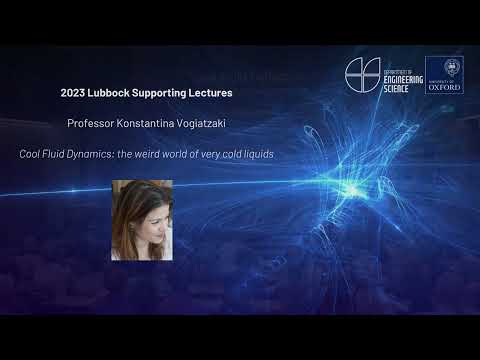
Also watch Cool Fluid Dynamics: the weird world of very cold liquids
Cool Fluid Dynamics: the weird world of very cold liquids
YouTube
3,000K
Peak temperature modelled in combustion environments (approx. 2,700°C)
30K
Lower bound of cryogenic operating conditions – 243°C below freezing
3
Distinct technology domains unified by her modelling approach: hydrogen, quantum and superconducting systems

From liquid hydrogen to quantum devices

She finds it fascinating that similar physical principles appear across very different technologies, from liquid hydrogen energy systems to quantum devices and superconducting power cables.

Liquid hydrogen must be stored and transported at very low temperatures, where small changes in heat or pressure can lead to boiling, instability or energy loss. Her models help predict these behaviours more accurately, so that hydrogen systems can be designed to operate safely and efficiently as part of a low-carbon energy infrastructure.

Despite their differences, these systems are governed by the same underlying processes: fluid flow, heat transfer and thermodynamics. Understanding these shared mechanisms makes it possible to develop models that apply across multiple fields.

‘I find it fascinating that similar physical principles can appear in very different technologies.’

A conceptual simulation of fluid behaviour across a temperature range from cryogenic conditions near absolute zero (30 K) through turbulence and boiling to beyond the critical point (2,273 K), where the boundary between liquid and gas disappears entirely. The animation illustrates the physical regimes where standard fluid dynamics models struggle and where AI-informed approaches become necessary.

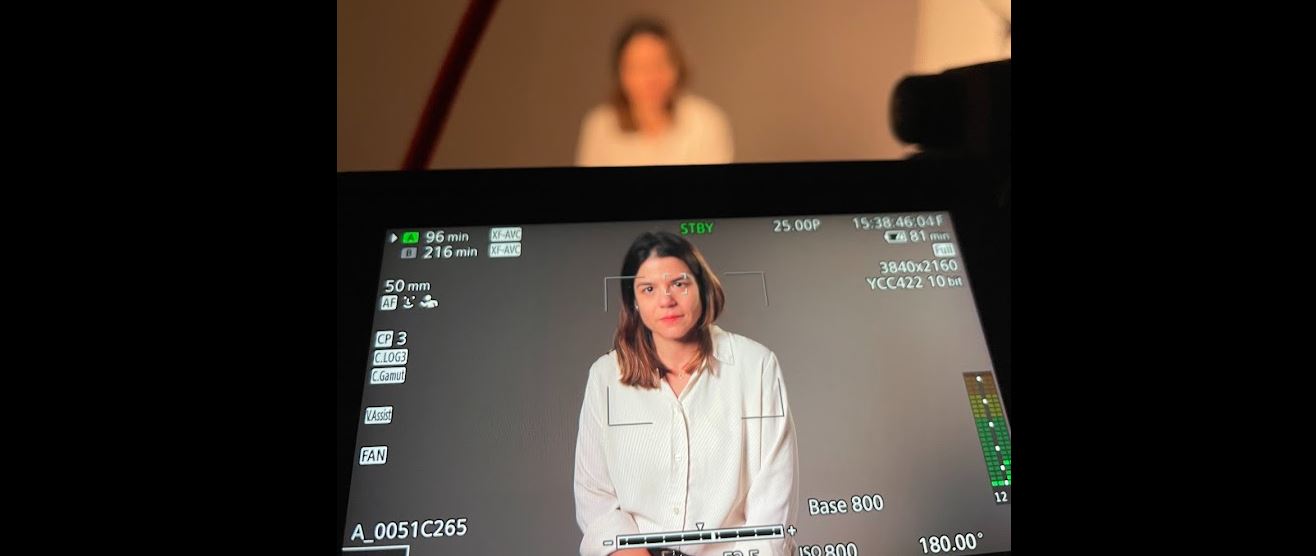
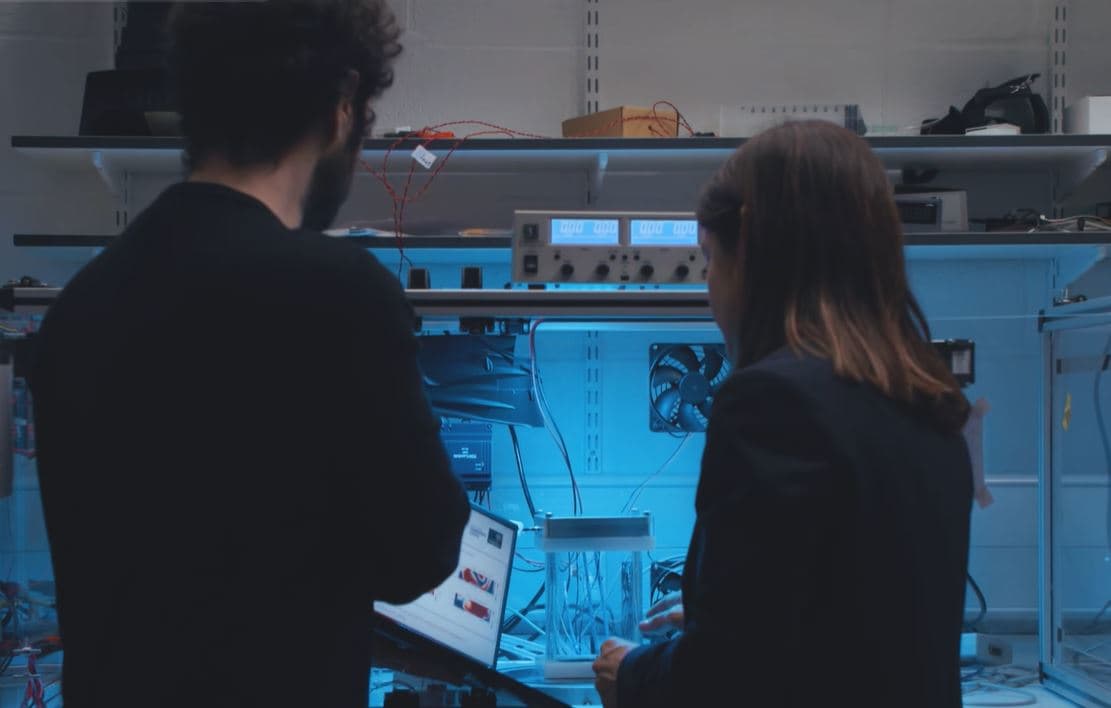
Behind the scenes of filming the Women in AI at Oxford profile series

Behind the camera: filming the Women in AI at Oxford profile series

Reliable, interpretable, trusted

Looking ahead, she wants to help bridge the gap between advanced modelling and the practical needs of engineers and industry, and to address what she sees as the central long-term challenge for AI.

‘The long-term challenge is not only to build more advanced models, but to ensure that they are robust, interpretable, and trusted by the people who rely on them.’

Her advice to anyone considering a path into AI is grounded in her own experience of arriving at the field from an unexpected direction.

‘There is no single type of person who belongs in AI.’ Curiosity, she suggests, is a strong starting point. ‘You do not need to have all the answers. Understanding how these systems work, rather than seeing them as mysterious, can be very empowering.’

And if she could go back? ‘Be even more adventurous. Do more of the things I believed were interesting than things that at the time most people were working on.’

Women have always been here

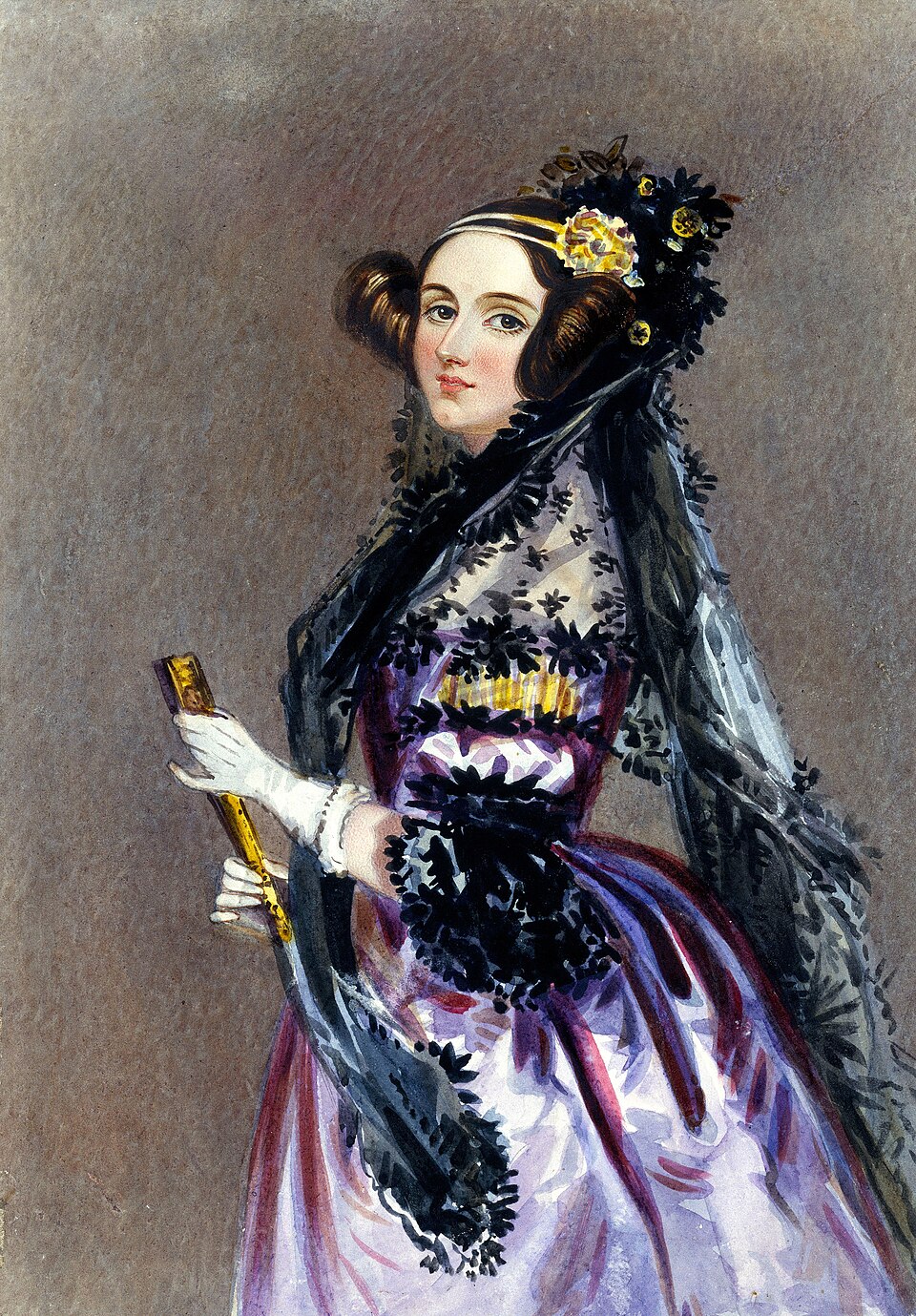
Ada Lovelace, mathematician

Ada Lovelace

Mathematician

1815–1852

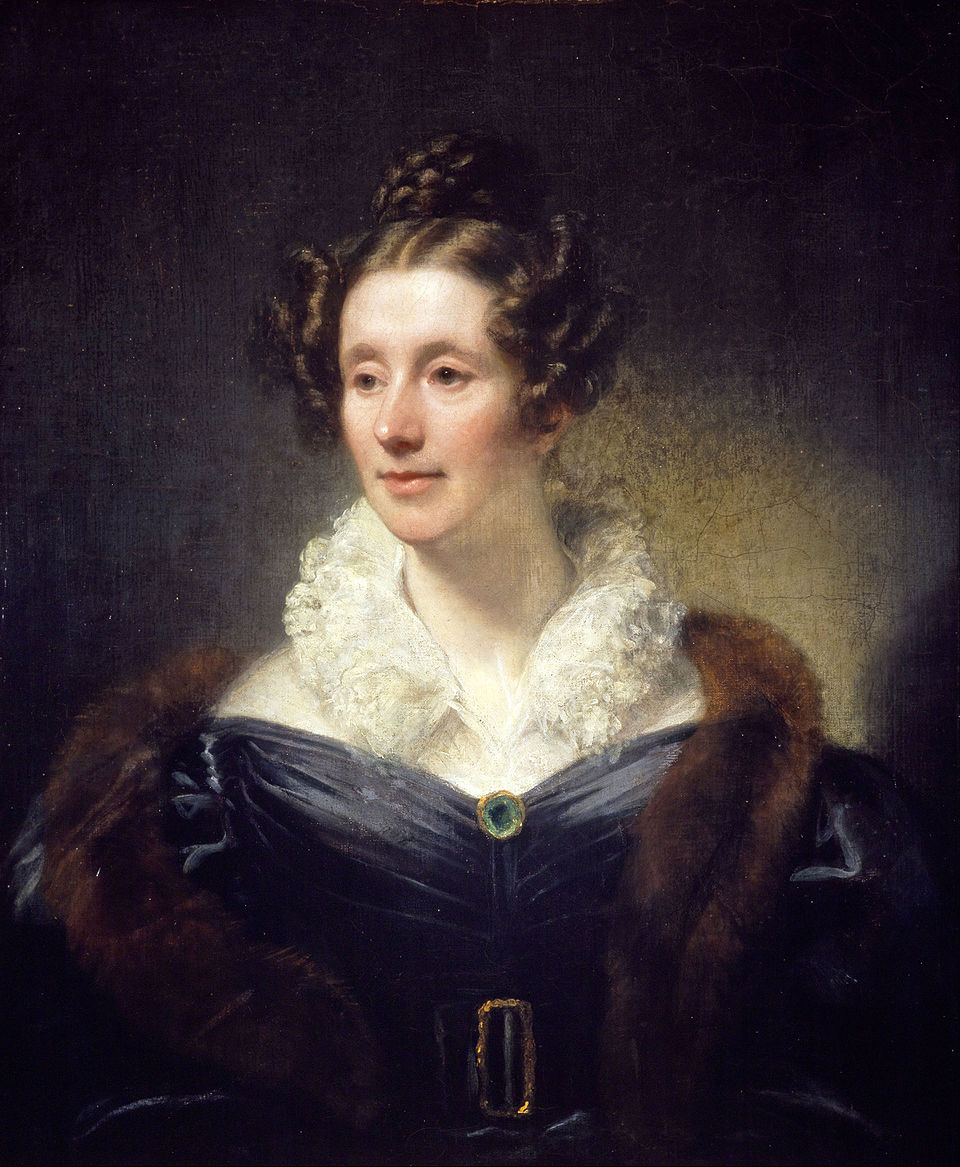
Mary Somerville, mathematician

Mary Somerville

Mathematician

1780–1872

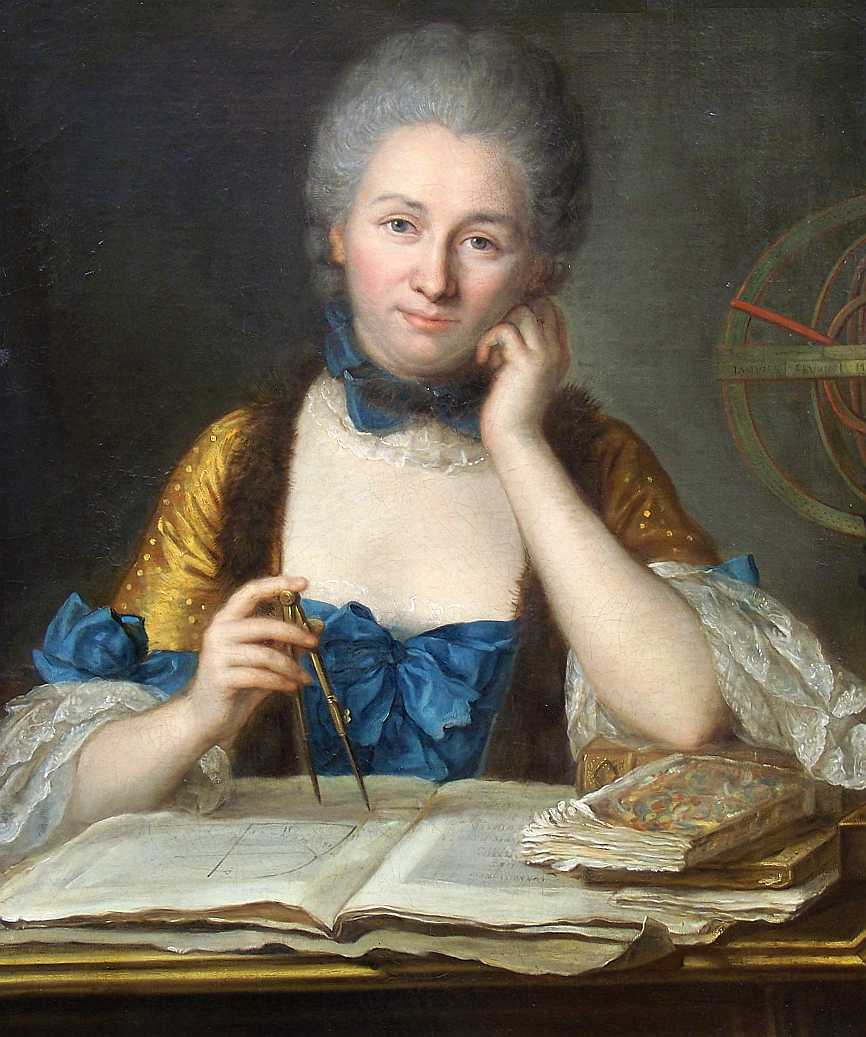
Émilie du Châtelet, physicist

Émilie du Châtelet

Physicist

1706–1749

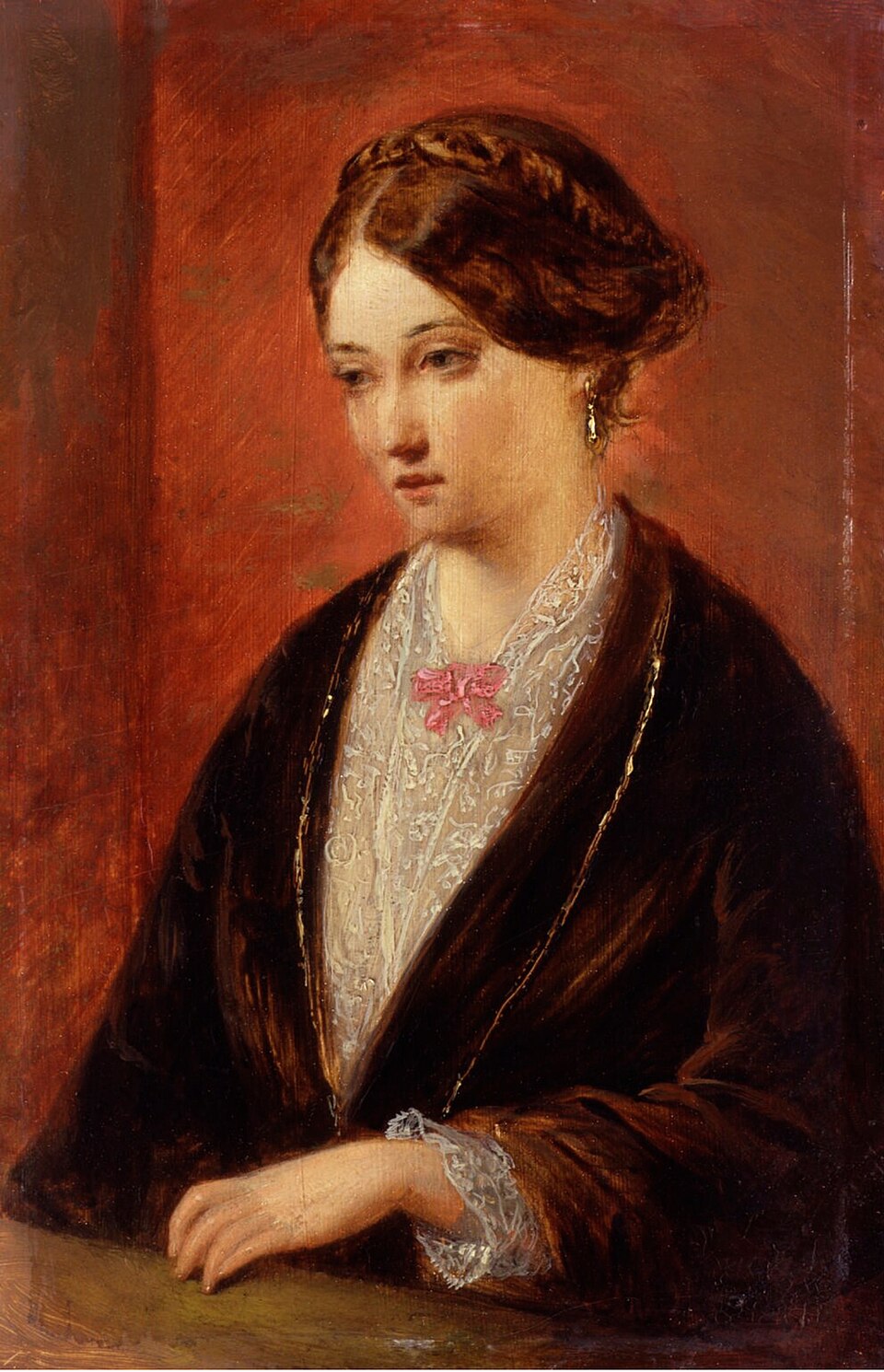
Florence Nightingale, statistician

Florence Nightingale

Statistician

1820–1910

When Vogiatzaki talks about role models, she points to Ada Lovelace, widely recognised as one of the first computer programmers, who developed early ideas about how machines could go beyond calculation, at a time when women faced significant barriers in science and education.

But Lovelace did not work in isolation. She was shaped by Mary Somerville, one of the most respected mathematicians and scientists of the nineteenth century, and the woman after whom Somerville College is named.

‘As a Fellow at Somerville College, I feel a particular connection to this legacy,’ she says. Somerville’s name represents the importance of women’s intellectual leadership and visibility in science.

‘Her achievements are especially striking given the expectations placed on women at the time.’ It is a reminder that women have been shaping science and technology from the beginning, often despite social constraints that made their contributions harder to pursue and to recognise.

“There is no single type of person who belongs in AI.” Konstantina Vogiatzaki, Associate Professor of Engineering Science and Fellow of Somerville College, University of Oxford