

When physics surprises
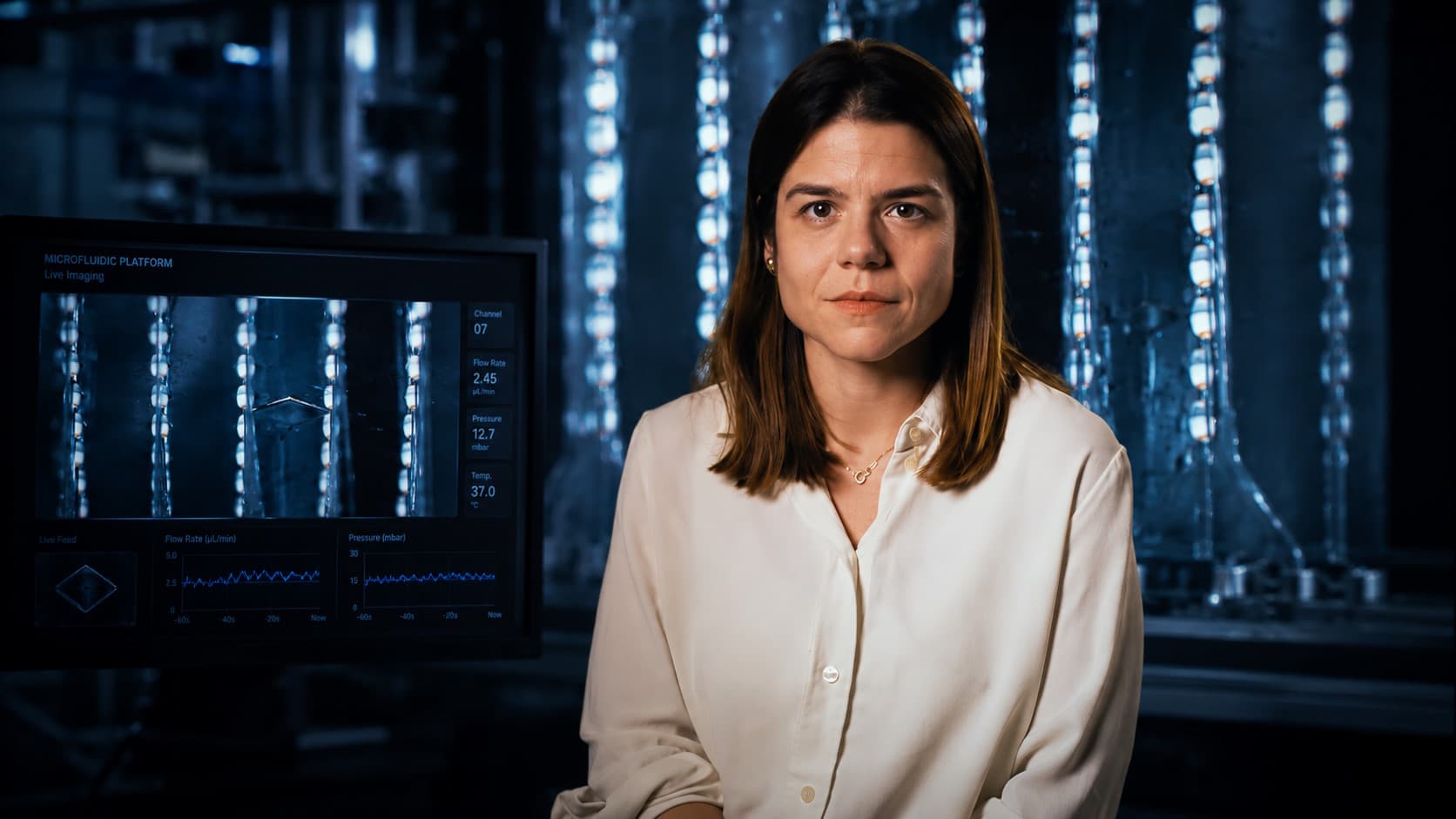
Konstantina Vogiatzaki expected her knowledge of combustion systems to transfer directly to cryogenic environments. What she found changed her understanding of the field.
Read more →
Meet the researchers at the University of Oxford using artificial intelligence to change the world – from exploding stars to quantum devices, child safety to sustainable computing.
Meet the researchers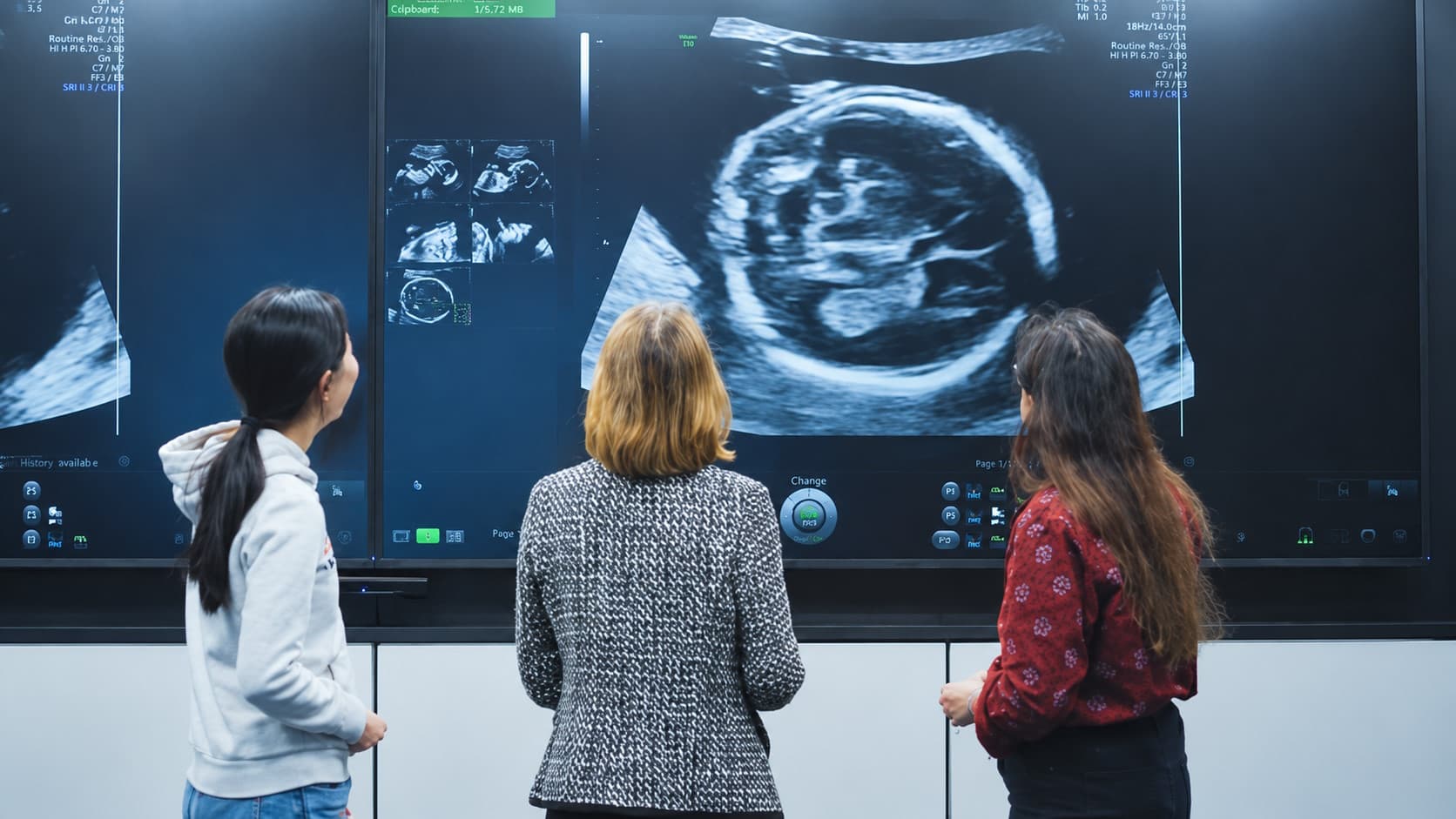
Nine researchers. One question: what does AI mean to you and your research?

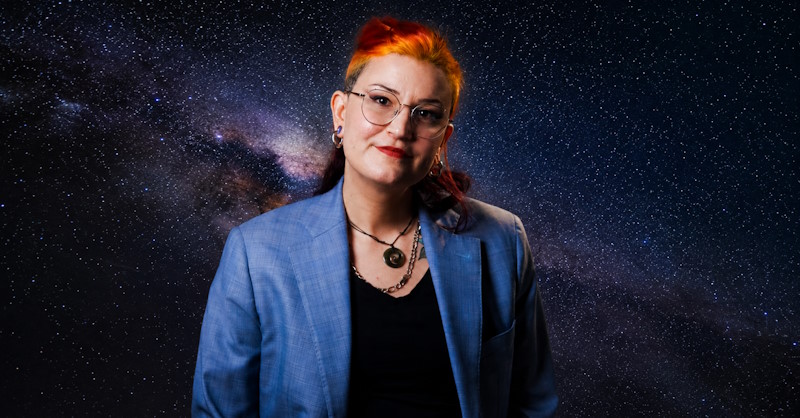
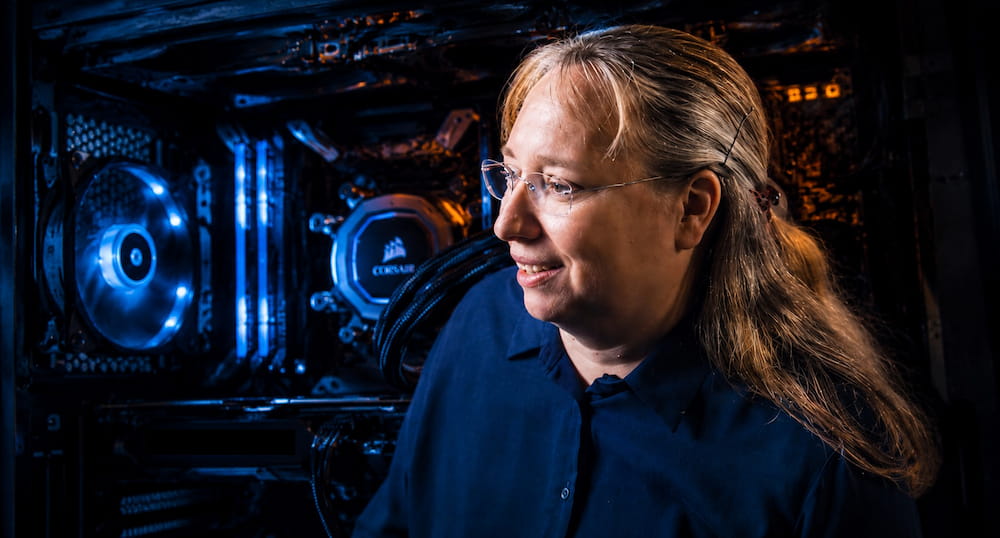
Every night, the sky generates millions of signals. Héloïse Stevance builds the algorithms that tell the difference — and asks what we risk losing when we let a machine decide what is boring.
Read profile →
Konstantina Vogiatzaki expected her knowledge of combustion systems to transfer directly to cryogenic environments. What she found changed her understanding of the field.
Read more →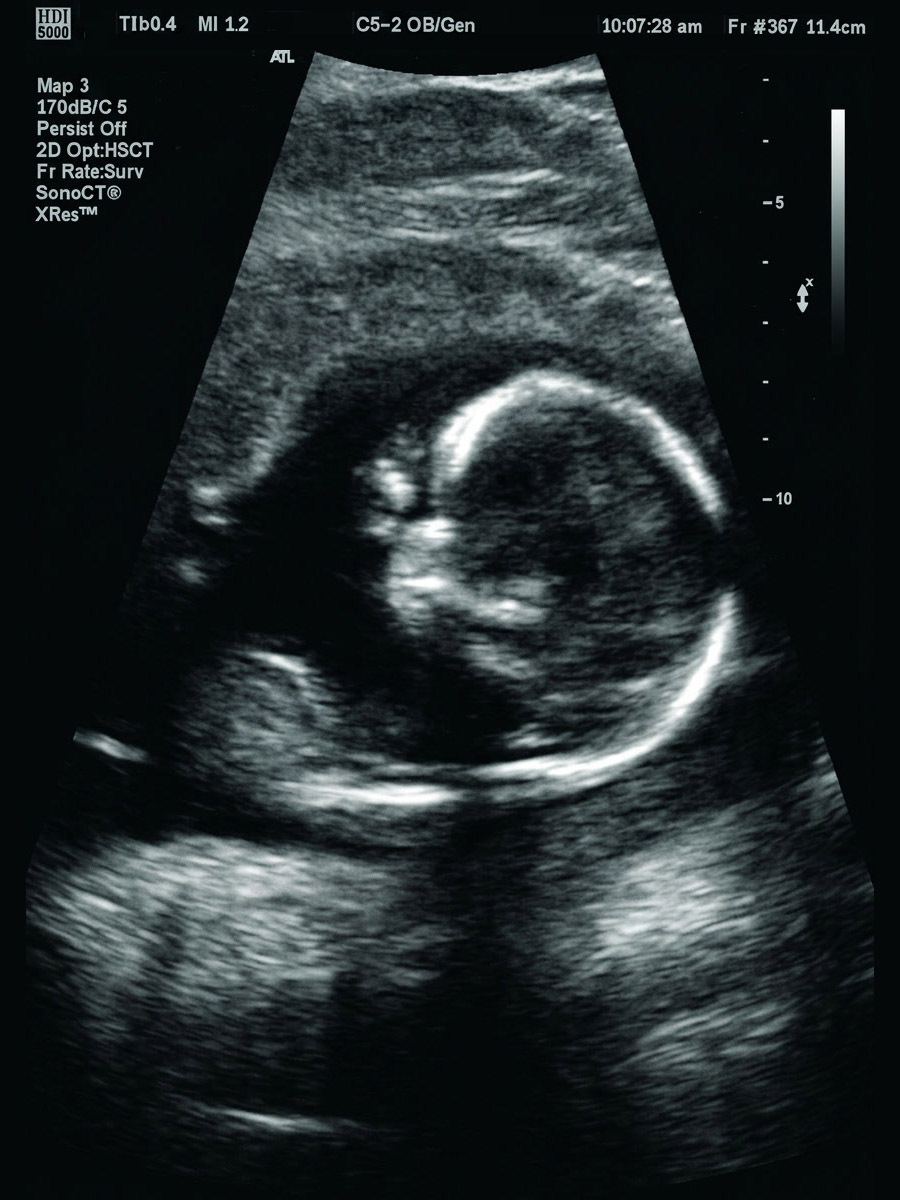
Ana Namburete’s AI model predicts the gestational age of a baby’s brain from a standard ultrasound scan — with implications for preterm care worldwide.
Read more →
Natalia Ares and her colleagues showed that AI can take a quantum device from an unconfigured state to a fully functioning system — automatically.
Read more →
Noa Zilberman’s group asked whether the devices that manage internet traffic could run AI algorithms directly. The answer became a research paper — and a question worth asking.
Read more →
Jun Zhao invited teenagers to upload their entire social media history. What they saw changed how they understood the algorithms shaping their lives.
Read more →
Alison Noble has spent her career bringing engineers, clinicians and mathematicians together to apply AI to medical imaging, while insisting that human expertise stays at the centre of care.
Read more →
Marina Jirotka on why the future of AI depends not just on what it can do, but on the people, values and decisions that shape how it is used.
Read more →
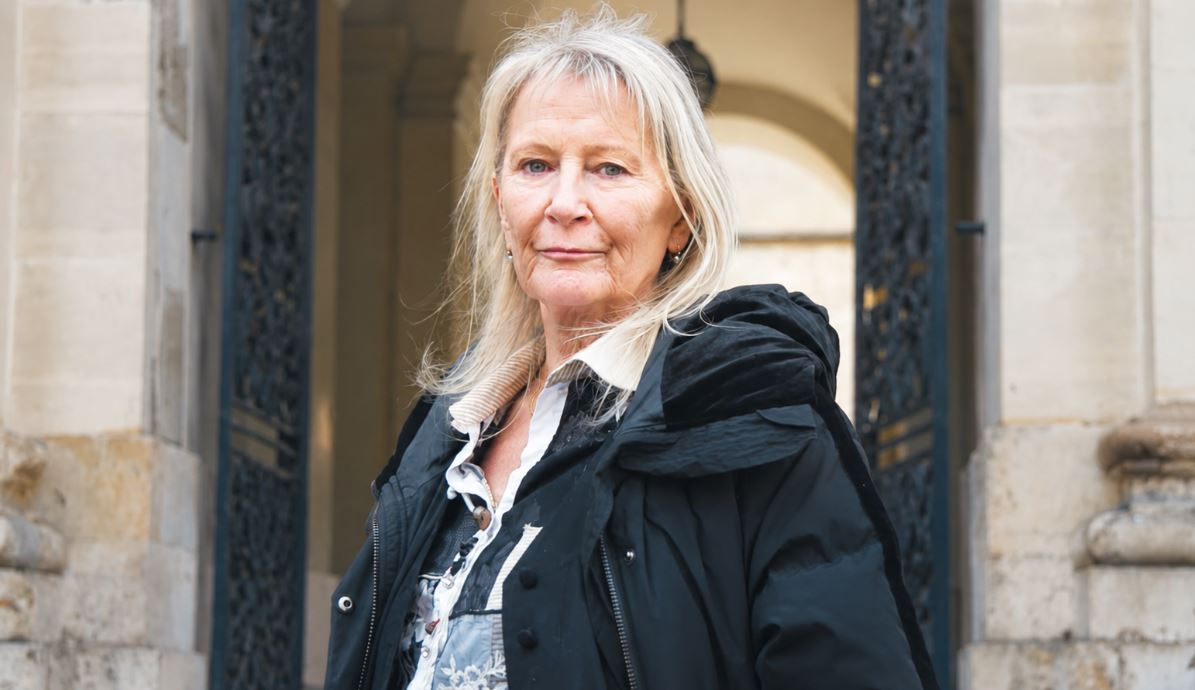
Charlotte Deane and a student were reviewing celebrated AI results for predicting how molecules bind to proteins when they spotted what everyone else had missed: atoms behaving in ways that broke the laws of physics.
Read more →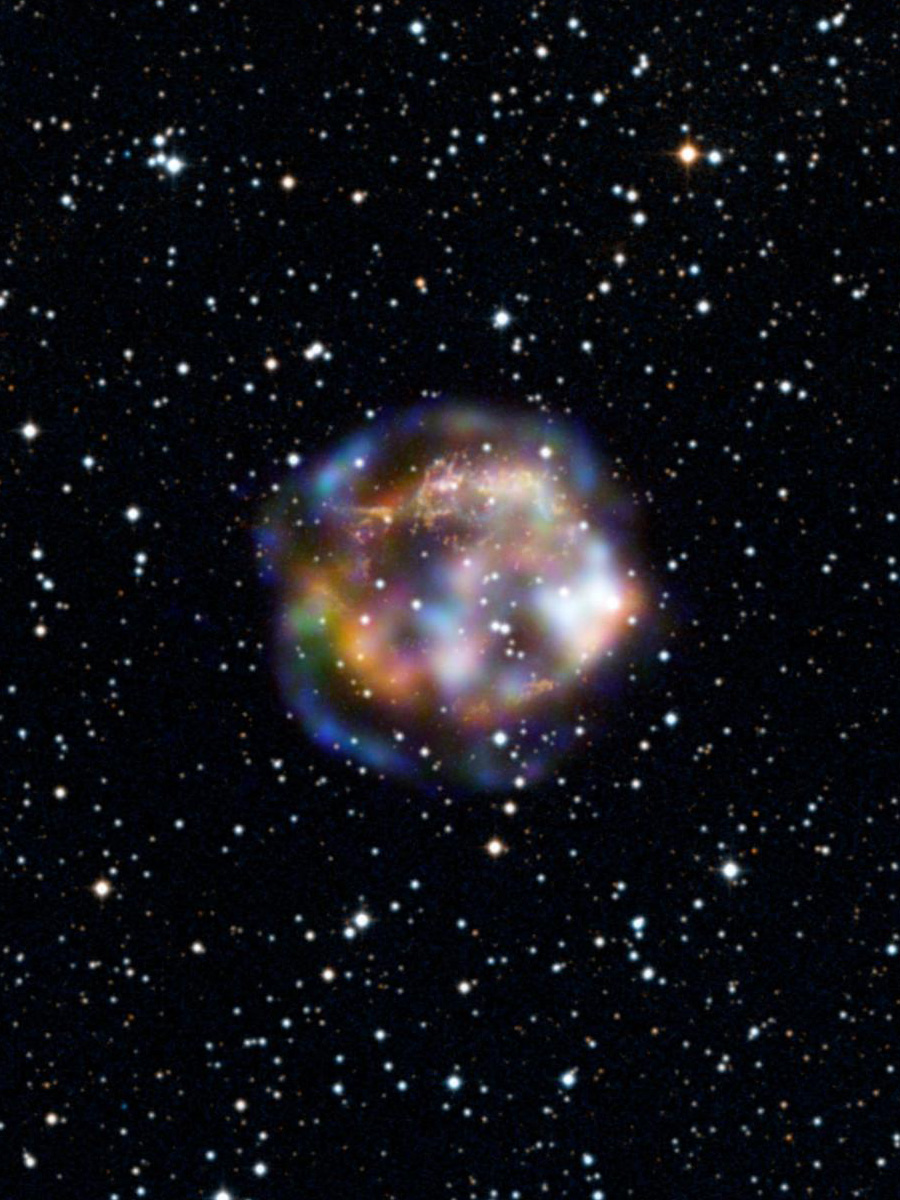
There is a famous NASA phrase: "Failure is not an option." Héloïse Stevance inverts it. If you are doing real science, getting things wrong is part of how you get things right.
Read more →Oxford offers a range of programmes in AI and machine learning, from undergraduate courses in Engineering Science and Computer Science to doctoral research across departments.
Whether your interest is in the mathematics of machine learning, its application to medicine, physics or the social sciences, or the ethical and governance questions it raises, Oxford has a programme for you.
About admissions